About Lacey Jae
About Lacey Jae
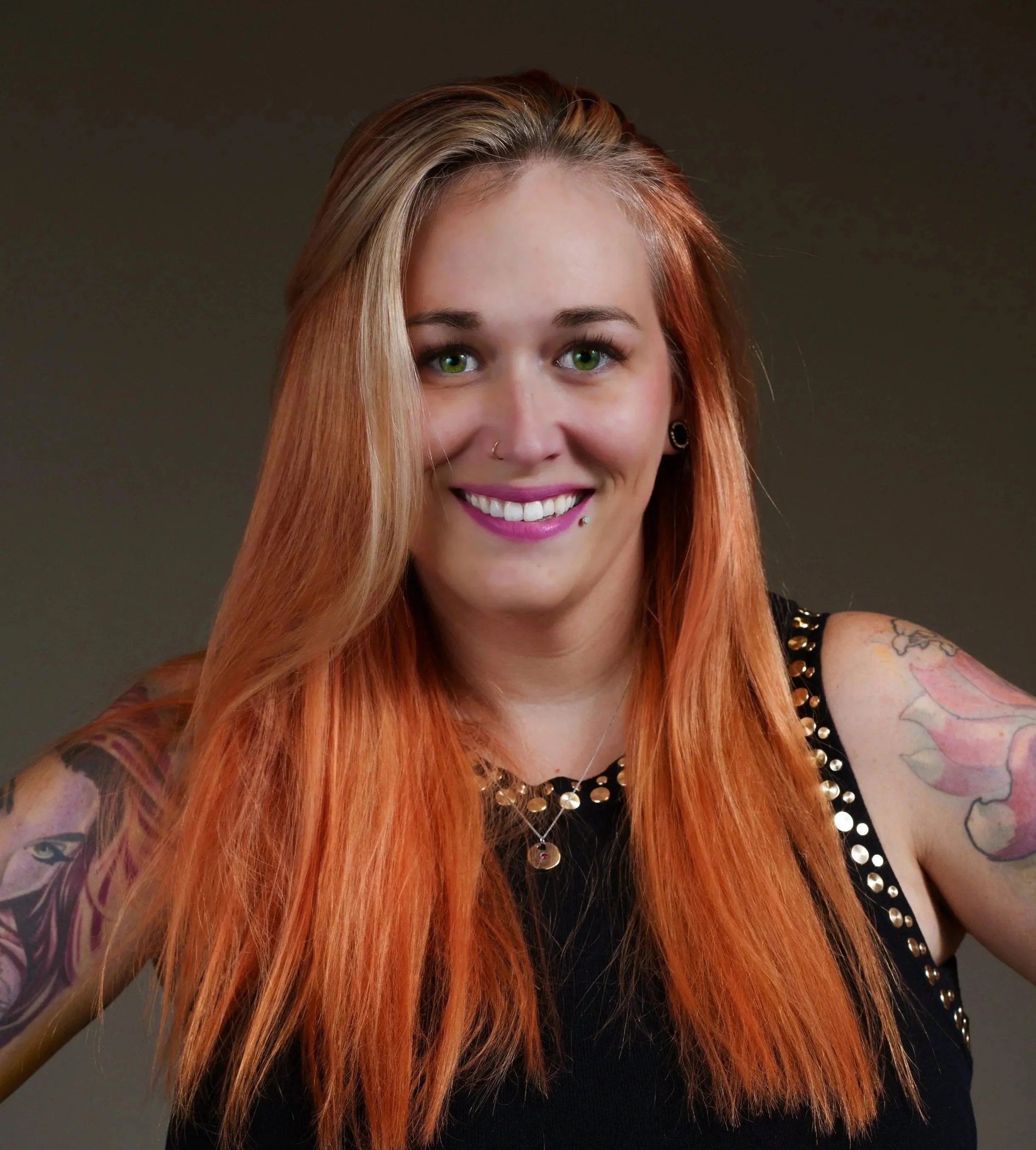
I've always been drawn to the things people carry that no one else can see.
Before healthcare, it was fashion: a jacket that becomes armor, a bold color that enters the room first, worn-in boots that tell you where someone has been and how they want to move through the world. It was never really about clothes. It was about identity, protection, self-expression, the tattoos, the hair, the object someone keeps on their desk, the quiet ways people try to be understood.
Healthcare taught me the same lesson with higher stakes. Behind every diagnosis is a person carrying fear, hope, family dynamics, embarrassment, private grief, financial pressure, or even a future they may not know how to picture yet. The science explains what is happening. The story reveals what it means.
For more than twenty years, I've been translating between the two. I've built brands across ultra-rare diseases most people will never hear of, the Lilly diabetes portfolio that touches millions of lives daily, and Humira, which became the best-selling medicine in the world. I helped lead BridgeBio's first commercial launch with Morgan Freeman as its voice and Howard "H" White, VP of Jordan Brand and Attruby patient advocate, alongside him. Because people living with disease deserve culture, craft, and star power too.
The categories change, but the assignment doesn't: find the person inside the problem.
That belief is personal. I know what it feels like to be missed, to be in the room and still not be fully seen, to have more to offer than people know how to ask for. For a while, I thought the point was to prove everyone wrong. It wasn't. The point was to learn to see more clearly.
Being underestimated made me more perceptive. It trained me to pay closer attention to the patient whose experience doesn't fit neatly into the strategy, the caregiver holding everything together off-camera, the creative whose best work is still buried under doubt, and the female leader carrying the room while wondering who is carrying her.
That's how I lead. Creative cultures don't get better by making people feel lucky to be there. They get better when people feel challenged, protected, sharpened, and seen clearly enough to become more than they thought they could be. I care deeply about the bar, and just as deeply about the people reaching for it.
When the room I needed didn't exist, I stopped waiting for an invitation and built it. The Table We Built is a peer circle for executive creative women, created because leadership can be lonely, honest support at the top shouldn't be a luxury, and too many brilliant women are doing extraordinary things without a place to tell the truth about what it costs.
My standard for healthcare creative is simple: make it more human than expected, more crafted than required, and more honest than comfortable.
And I mean crafted literally. I blow glass, bend neon, and laser anything I can, and I'm building an art studio onto my house because making things with my hands never stopped being the point. There's something clarifying about heat, pressure, color, fragility, and form. You learn quickly that beauty is not an accident. It is discipline, patience, risk, and repair. And the process is part of the product.
Becoming a mother deepened that instinct. It changed how I see care, ambition, fear, time, and what it means to build a life while helping someone else become who they are. You start seeing the world through another set of eyes, and you can't unsee people after that.
The awards matter. The launches matter. Growth matters. I'm proud of all of it. But the work I care about most does something harder than get noticed.
It helps someone feel recognized.
And recognition changes everything.
For portfolio passwords or inquires please contact Lacey.